Recent Post

Phân tích hiệu suất dứt điểm cận rổ so với những quả ném xa ...
Trong môn bóng rổ hiện đại, sự lựa chọn giữa các cú dứt điểm cận rổ và những quả ném xa đã trở thành chủ đề tranh luận chiến thuật nảy lửa giữa các huấn luyện viên. Việc tối ưu hóa hiệu suất tấn công phụ thuộc rất nhiều vào khả năng đánh giá xác suất ghi điểm ở từng khu vực trên sân. Phân tích chi tiết sự khác biệt này giúp người hâm mộ và giới chuyên môn hiểu rõ hơn về triết lý vận hành của các đội bóng đỉnh cao.
Bản chất và tỷ lệ thành công của các pha dứt điểm cận rổ
Các cú đánh cận rổ, bao gồm lên rổ (layup) hay úp rổ (dunk), luôn mang lại tỷ lệ chuyển hóa thành điểm số cao nhất trong bóng rổ. Việc thi đấu ở khoảng cách gần giúp giảm thiểu tác động của lực ném và góc độ, mang lại tính ổn định vượt trội. Tuy nhiên, khu vực này thường xuyên chịu áp lực phòng ngự vô cùng nghẹt thở từ các trung phong đối phương.
Để tiếp cận khu vực sát rổ, các cầu thủ đòi hỏi phải sở hữu thể lực dồi dào cùng kỹ năng di chuyển không bóng khéo léo. Những pha phối hợp đột phá nách hay phản công nhanh thường tạo điều kiện thuận lợi nhất cho các cú dứt điểm cự ly gần. Đây vẫn là nền tảng vững chắc cho bất kỳ hệ thống tấn công an toàn nào.
Sức mạnh kinh tế của những cú ném ba điểm xa bờ
Dù có tỷ lệ chính xác thấp hơn, các quả ném xa lại mang về giá trị 3 điểm thay vì 2 điểm truyền thống. Phân tích toán học thể thao chỉ ra rằng một đội bóng ném 33% từ vạch 3 điểm sẽ đạt hiệu suất tương đương với đội ném 50% ở khu vực trung bình. Điều này tạo ra động lực lớn để các đội bóng dịch chuyển lối chơi ra xa rổ hơn.
Việc đe dọa bằng các cú ném xa còn giúp mở rộng khoảng trống thi đấu cho các đồng đội bên trong. Người xem có thể tìm hiểu thêm các phân tích chuyên sâu thông qua m88.com link để cập nhật dữ liệu thể thao mới nhất. Sự kết hợp giữa khả năng ném xa và đột phá tạo nên một hàng công đa dạng và cực kỳ khó lường.
So sánh chỉ số hiệu suất thực tế (eFG%) giữa hai lựa chọn
Chỉ số hiệu số ném bóng hiệu quả (Effective Field Goal Percentage - eFG%) cho phép so sánh khách quan giữa cú ném 2 điểm và 3 điểm. Thực tế cho thấy các cú dứt điểm ngay tại khu vực hình chữ nhật sát rổ vẫn giữ chỉ số eFG% cao nhất. Dù vậy, những quả ném 3 điểm từ góc sân (corner 3) cũng đạt mức hiệu suất ấn tượng không kém.
Ngược lại, các cú ném tầm trung (mid-range) đang ngày càng bị thu hẹp vì mang lại giá trị kỳ vọng thấp nhất. Do đó, tư duy hiện đại ưu tiên tối đa hóa cơ hội tại cận rổ hoặc ngoài vạch 3 điểm. Sự thay đổi này định hình lại toàn bộ cấu trúc chiến thuật của các giải đấu lớn.
Tầm quan trọng của việc cân bằng chiến thuật trong trận đấu
Một đội bóng phụ thuộc hoàn toàn vào ném xa rất dễ rơi vào bế tắc khi cảm giác bóng của các cầu thủ suy giảm. Việc duy trì các tình huống dứt điểm cận rổ giúp đội bóng kiểm soát nhịp độ và kiếm về những quả ném phạt quan trọng. Sự cân bằng giữa hai yếu tố này là chìa khóa mở ra chiến thắng bền vững.
Tóm lại, cả dứt điểm cận rổ và ném xa đều đóng vai trò thiết yếu trong bộ kỹ năng của một tập thể mạnh. Việc khai thác hợp lý từng khoảng trống dựa trên tình huống thực tế trên sân sẽ quyết định hiệu quả cuối cùng của mỗi đợt tấn công.
How Game Designers Create Meaningful Choices from Random Dice Spreads ...
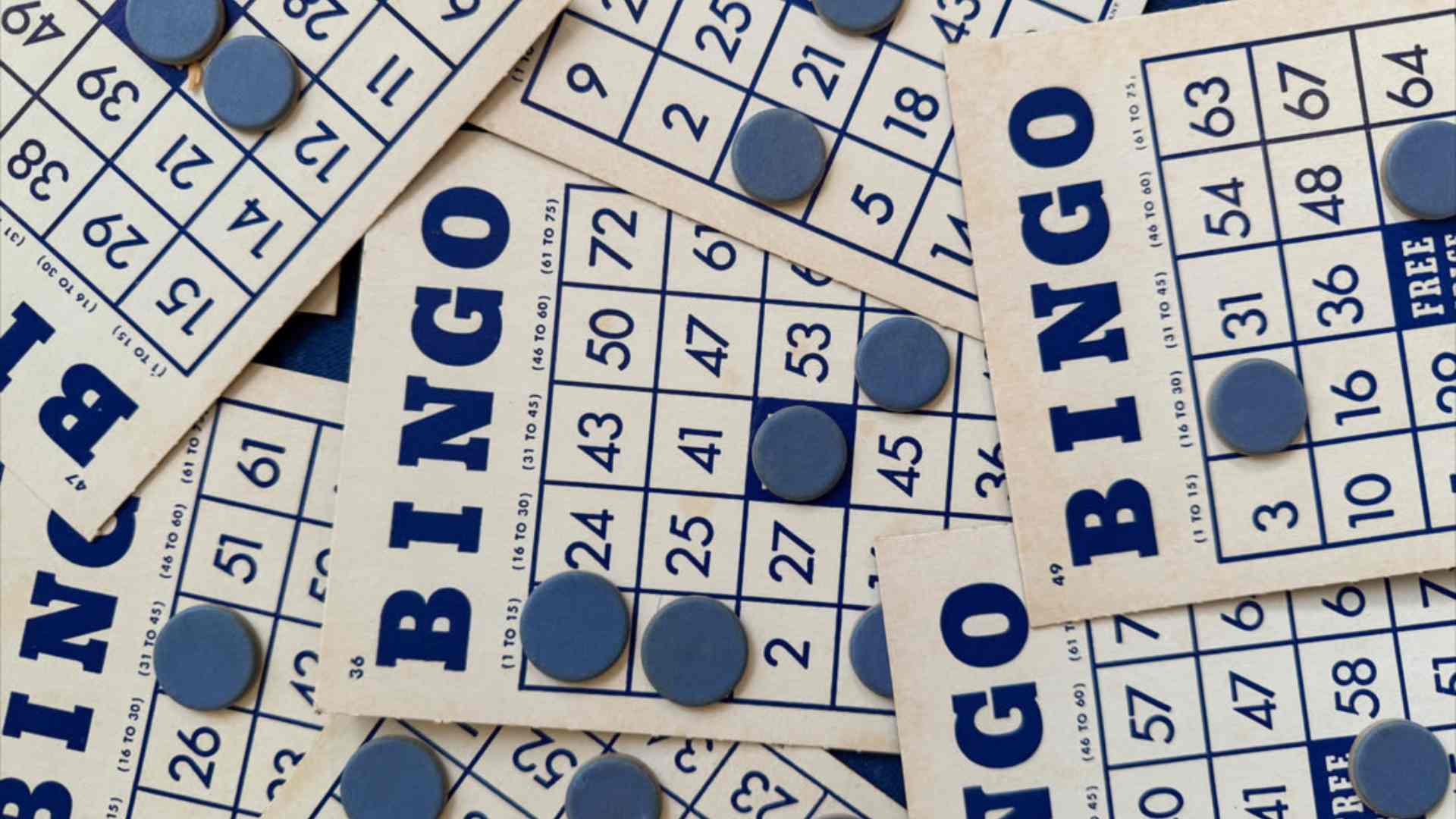
Modern tabletop game design has transformed random dice rolls from frustrating obstacles into engaging strategic puzzles. Instead of determining failure or success after an action, contemporary mechanics often use initial rolls as dynamic starting conditions for a player's turn. This shift allows players to exercise genuine agency and strategic problem-solving regardless of how the physical dice land.
Input Randomness Over Output Randomness
One of the most effective strategies designers use is prioritizing input randomness over output randomness. When players roll dice at the start of a turn, the results act as raw resources rather than definitive binary outcomes. This fundamental design shift ensures that strategic thinking occurs after the roll, encouraging thoughtful decision-making.
By treating face values as action options, players can mitigate poor outcomes through tactical positioning. Enthusiasts interested in probability platforms like m88 often appreciate how structured variance rewards strategic foresight. This framework turns unexpected results into intriguing spatial and tactical challenges.
Dice Drafting and Shared Resource Pools
Another popular technique involves creating a shared pool of rolled dice that players select from sequentially. This mechanism introduces competitive drafting dynamics where picking one die deprives opponents of vital tactical choices. Players must evaluate not only what benefits their own strategy best, but also what options they must block.
Shared pools naturally balance luck across the table because everyone operates from the exact same starting values. A poorly rolled set affects every participant equally, shifting the competitive advantage to whoever adapts fastest. This approach fosters interactive play while maintaining tight strategic balance.
Flexible Modification Systems
To prevent bad rolls from causing immediate failure, designers frequently integrate manipulation systems. Features like spending tokens to adjust a die face up or down provide a safety net for unlucky players. These mechanics give participants granular control over how they allocate their available resources.
Offering tools to alter physical outcomes ensures that player skill remains the primary driver of victory. When players spend effort or game resources to alter a roll, every modification represents a calculated trade-off. Consequently, managing variance becomes a satisfying core element of the overall gameplay experience.
Multi-Use Allocation Mechanics
Modern board games often assign multiple functional uses to each numerical result on a die face. A high roll might trigger powerful standard actions, while lower numbers activate essential specialized abilities or utility powers. This design guarantees that every possible result carries distinct strategic value on any given turn.
When no single outcome is universally bad, players focus on optimizing their available choices rather than lamenting bad luck. Designing multi-purpose systems keeps gameplay engaging across varying player counts and skill levels. Ultimately, transforming random spreads into meaningful choices remains the mark of exceptional game design.
Best Gaming Websites in The World ...
Gaming Website List
For gamers seeking the ultimate destination to stay updated on the latest releases, industry scoops, and in-depth reviews, platforms like IGN, GameSpot, and Polygon stand out as the absolute best gaming news websites on the internet. These trusted hubs deliver everything from breaking news and hardware analysis to exclusive gameplay previews and vibrant community forums, ensuring that enthusiasts never miss a beat in the rapidly evolving world of interactive entertainment.